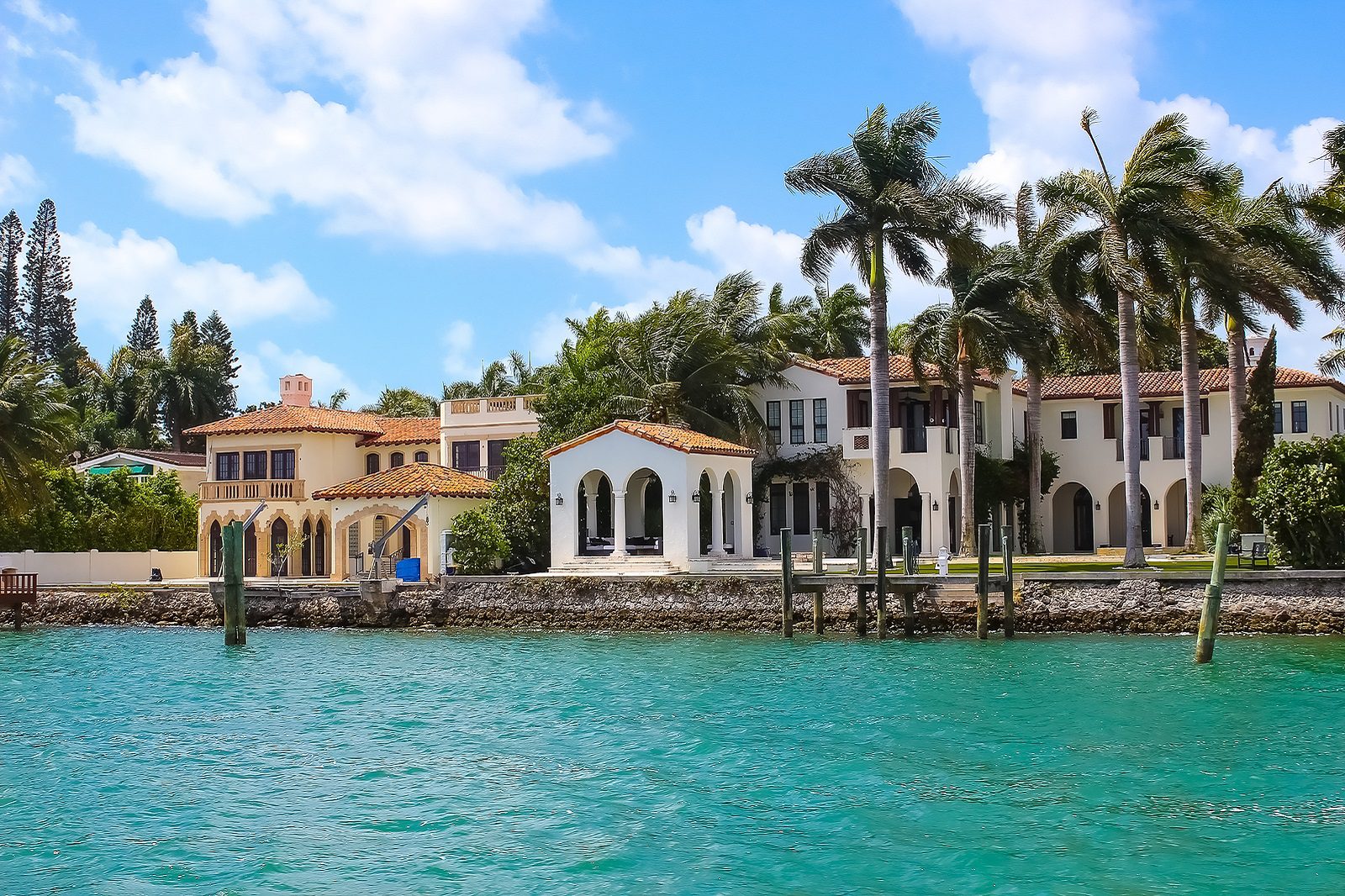
The short term rental industry is changing. In 2026, popular markets are oversaturated, the regulatory landscape has become more difficult to navigate, and many casual hosts are reporting smaller margins and lower occupancy rates.
The current market trends are causing real estate investors to step back and ask “Should I buy a vacation rental home?” Let’s answer this question by looking at a few key numbers and data trends.
According to Coherent Market Insights, the global vacation rental industry (both offline and online booking) was valued at $79.34 billion in 2025. The same report forecasts that the market’s value will grow to an estimated $117.03 billion by 2032, with a Compound Annual Growth Rate (CAGR) of 5.7%.
This growing market value is just one positive indicator for investment this year. Looking at the forecast for the numbers that more closely reflect host performance in the US vacation rental market, this is what we find (source: AirDNA 2026 Outlook Report):
| 2025 | 2026 | 2027 | |
| Available Listings (Average) | 1.69M | 1.77M | 1.85M |
| Nights Listed (% Change) | 4.4% | 5.0% | 4.9% |
| Demand (% Change) | 4.7% | 4.1% | 4.7% |
| Occupancy | 57.2% | 56.7% | 56.6% |
| ADR (% Change) | 1.2% | 1.5% | 2.1% |
| RevPar (% Change) | 1.6% | 0.6% | 2.0 |
While a slight dip in occupancy reflects stabilization, the steady rise in average daily rates (ADR) and a significant cooling in supply growth (compared to growth between 2021- 2023) indicate a maturing market. With numbers pointing toward sustainable growth, this year is a good time to buy a vacation rental property.
Beyond the projected data, there are a few benefits that short term rental investors get to enjoy.
5 Benefits of Owning a Vacation Rental Property
1. Higher Income
The potential for superior earnings over traditional rentals is the most captivating benefit of buying a vacation property. This is especially true if your investment property is in a vacation hot-spot.
Learn More About Short Term vs Long Term Rentals in 2026
2. Your Own Getaway
Just in case you want to change locations for a while, you can go to your vacation home instead of spending money on someone else’s rental. Ensure that you buy a vacation property in an area that you would love to visit again and again. And plan your vacations outside of peak seasons to avoid missing out on rental income.
3. Tax Advantages
If you rent out your vacation rental property for more than two weeks in a year, it is considered a business. While this means that you will need to pay taxes on earned income, you can simultaneously enjoy tax write-offs on the house.
4. Protect Your Future
When you buy a vacation rental property, you are not only ensuring that you earn some money today, but you are also securing your future. For example, when you get older and retire, you can still earn money from your investment property. Also, you can sell it whenever you want, and by that time, the equity on the vacation rental property would’ve risen, making you a handsome profit.
5. Recession-Resilient
Vacation rental properties can continue to perform well during a recession. Although demand drops as people are cutting expenses, you can still attract guests who can easily reach your rental by car and locals aiming for a staycation. While many travelers look for more budget-friendly homes to stay in during a recession, high-income ones are usually unaffected. So you will still have a pool of guests on either end of the spectrum.
All of this means that with the right strategy in place that builds on diverse demand, you can have a safety net when an economic downturn hits.
3 Disadvantages of Owning a Vacation Rental Property
With the market forecast and the 5 benefits we’ve discussed, it’s looking like it is smart to buy a vacation home. But actually, there are pros AND cons. Let us look at some of the cons of owning a vacation home:
1. Strict and Expensive Regulations
As the owner of a vacation rental home, it will be your job to fully comprehend and comply with local short term rental regulations. Arguably, the legal framework for a vacation rental property is more complicated and volatile than that of residential rentals.
There are HOA rules, zoning laws, paid permits and licenses, safety standards, taxes, occupancy and guest limits, and even bans to deal with, depending on the market.
2. Vacancy Issues
Vacation rental homes rarely have 100% occupancy. It’s not a marker of success and they can still perform well at much lower occupancies because of the high average daily rate.
However, with vacancies comes a few issues. Even without the monthly rental income, you’ll have to pay any ongoing costs associated with the vacation home like monthly utilities and mortgage. Vacation rentals are also vulnerable to break-ins when nobody is occupying them.
Reduce these risks by planning for cash reserves and buying a good security system or using check-in services.
3. Additional Costs
It’s typically more expensive to own a vacation home vs a long term rental property. Mortgage costs, professional cleaning, short term rental platform fees, permits, taxes, property management fees, utilities, vacation rental insurance – the list goes on.
It’s important to weigh the pros and cons of investing in a vacation rental property. But with all of the investor-owned short term rentals out there, it’s clear that many real estate investors find that the pros outweigh the cons.
But Should You Buy a Vacation Rental Property in 2026?
If you know how to buy a vacation rental property that will cash flow, then yes, you should consider investing in 2026.
Luckily, learning the steps to buying a rental property and earning cash flow with the vacation rental strategy is simple. Similar to other types of real estate investment, you will need a keen insight into the local market and the projected revenue of the home. And, if you do it right, a vacation rental property can pay for itself over and over again.
In this article, we will guide you through the step-by-step process of how to buy a vacation rental property and other important things that you should know before making an offer.
How to Buy a Vacation Rental Property
Here are the 6 easy steps for buying a vacation rental property:
1. Choose a suitable location for a vacation rental property
The location of a property is one of the most important factors that you should consider first—after all, where you choose to invest will have a major impact on your income potential.
Let’s take a closer look at how you should choose a location and what to consider:
Where Should You Buy a Vacation Rental Property? 5 Things to Consider
1. Seasonality and Demand
Certain popular destinations have a peak season. What this means is that they only see tourists at certain times of the year (think Mackinac Island, Michigan and Martha’s Vineyard, MA). If you choose to buy a vacation rental property in a location like this, you have to understand when the peaks are and how to handle the off-seasons.
The best approach is to find a vacation rental property in a location with a few different busy seasons to earn yourself a more predictable income.
Ultimately, whichever real estate market you choose, you need to really understand the seasons and demand and have a strategy for vacancies.
2. Local Laws and Regulations
As we mentioned, some local and state vacation rental laws are pretty restrictive. And each city and municipality has its own regulations that vacation rental property owners need to comply with. In some areas such as New York City, you can’t rent out a full residence for less than 30 days (unless the homeowner is also staying in the property). Only 2 paying guests max are allowed and there is also a list of buildings where short term renting is completely banned. In Santa Monica, hosts must live on the property during the renter’s stay, in addition to registering for a business license and collecting a 17% occupancy tax, payable to the city.
You should study the regulations thoroughly before deciding to buy a vacation rental property in a particular location. The idea is to choose a place with laws that favor hosts. Keep in mind that locations with absolutely no restrictions may change their framework down the line and in general, you need to stay on top of the rules even after you make the purchase.
While searching for vacation rental properties, it’s best to make a call to the Local Planning or Zoning Department to help you understand the short term rental regulations in the community. And before you make a final decision, talk to a lawyer.
3. Guest Persona
The location of your vacation rental property will determine the type of short term renters that you entertain. For instance, families with children will prefer a house with a big yard while couples will prefer one with a good view. Also, the features of the house will be of importance depending on the type of people you rent it to. For instance, if you rent the house out to someone who works on vacation, you will need to provide a small workspace.
4. Potential Income (Conducting a Real Estate Market Analysis)
One of the most important steps of choosing a location is to conduct an in-depth real estate market analysis.
Looking at the Airbnb data that represents the overall market performance can help you determine the possible income you can earn. This data should include the following market averages (or medians):
- Property Price
- Number of Airbnb Listings
- Monthly Airbnb Rental Income
- Airbnb Occupancy Rate
- Average Daily Rates (ADR)
- Revenue per Available Room (RevPar)
- Airbnb Cash on Cash Return/Cap Rate
Fortunately, Mashvisor’s Short Term Rental Market Performance Dashboard provides all of the necessary comprehensive market data and analysis to help you get started.
Sign up for Mashvisor now and get 15% off.
To fast-track your search for the best place to buy a vacation home to rent out this year, we took a look at the latest numbers from our database and picked the top locations (based on cash on cash return).
7 Best Places to Buy Vacation Rental Property in 2026
-
Hialeah Gardens, FL
Hialeah Gardens is a great location that acts as a net to catch the overflow of international and national travelers coming to Miami. Because it is located near the Palmetto Expressway, guests can still access the city and the Miami Airport quickly while enjoying the local suburb which offers its own unique tourist attractions. These include the Hialeah Gardens Botanical Garden, Westland Gardens Park, as well as a strongly Cuban-influenced dining scene.
Beyond tourists, guests also book Hialeah Gardens vacation rentals as they are close to the Miami Dade College campus and the industrial center of West Dade. Remember that college towns are great for buying a vacation rental property because of the sports seasons, parental visits, graduation ceremonies, academic conferences, and more.
- Median Property Price: $407,525
- Average Price per Square Foot: $350
- Days on Market: 74
- Number of Short Term Rental Comps: 313
- Monthly Short Term Rental Income: $5,127
- Short Term Rental Cash on Cash Return: 8.2%
- Short Term Rental Daily Rate: $166
- Short Term Rental Occupancy Rate: 67%
- Walk Score: 66
-
Zephyrhills, FL
Zephyrhills is nicknamed SkyDive City as it’s a popular location for athletes and hobbyists who come for skydiving. And it’s a popular winter destination for Snowbirds. Guests also book rentals to visit the Sarah Vande Berg Tennis & Wellness Center, which holds regional tournaments, as well as the historic downtown and its museums.
This city with a “small-town” feel also makes this list for the best places to buy a vacation rental property because it is a healthcare center with workers coming in and out because of the presence of AdventHealth Zephyrhills.
- Median Property Price: $346,078
- Average Price per Square Foot: $194
- Days on Market: 130
- Number of Short Term Rental Comps: 118
- Monthly Short Term Rental Income: $3,770
- Short Term Rental Cash on Cash Return: 7.2%
- Short Term Rental Daily Rate: $132
- Short Term Rental Occupancy Rate: 69%
- Walk Score: 55
-
Winter Haven, FL
Winter Haven is home to popular tourist attractions like the LEGOLAND Florida Resort and the Peppa Pig Theme Park. And because of its location in the “Chain of Lakes,” it’s known as the Waterski Capital of the world and is a hot-spot for water sports, boaters, and fishing tournaments. Sports tourism is a big factor in the city because of the AdventHealth Fieldhouse.
- Median Property Price: $370,363
- Average Price per Square Foot: $197
- Days on Market: 136
- Number of Short Term Rental Comps: 164
- Monthly Short Term Rental Income: $4,045
- Short Term Rental Cash on Cash Return: 7.2%
- Short Term Rental Daily Rate: $162
- Short Term Rental Occupancy Rate: 77%
- Walk Score: 77
-
Winnetka, CA
For 2026 specifically, Winnetka is positioned to be an affordable option for those coming to the FIFA World Cup in Los Angeles. Generally, it’s a hot location for “extended family” stays and film crews working at the two nearby studios (Northridge and Van Nuys).
It’s also in close proximity to the California State University, Northridge (CSUN).
- Median Property Price: $897,196
- Average Price per Square Foot: $545
- Days on Market: 78
- Number of Short Term Rental Comps: 330
- Monthly Short Term Rental Income: $8,952
- Short Term Rental Cash on Cash Return: 6.7%
- Short Term Rental Daily Rate: $322
- Short Term Rental Occupancy Rate: 80%
- Walk Score: 74
-
Highland Village, TX
Lewisville Lake is one of the main attractions in Highland Village. Suburban tourists come for the local boating and fishing and can also enjoy the boutique shopping at “The Shops at Highland Village.”
This is another city on our list that has nearby university campuses – both the University of North Texas (UNT) and the Texas Woman’s University (TWU).
- Median Property Price: $320,000
- Average Price per Square Foot: $171
- Days on Market: 115
- Number of Short Term Rental Comps: 50
- Monthly Short Term Rental Income: $3,363
- Short Term Rental Cash on Cash Return: 6.6%
- Short Term Rental Daily Rate: $231
- Short Term Rental Occupancy Rate: 56%
- Walk Score: 2
-
Sun City Center, FL
Sun City Center is uniquely populated by senior citizens (55+) and so the demand for vacation rentals comes from multi-generational family members visiting to see their grandparents. Another group that drives occupancy rates are “lifestyle seekers” who come for a short-term stay to test-drive the location.
And because of the high concentration of senior-citizen medical care centers, healthcare lodgers also use short term and mid term rentals here.
- Median Property Price: $287,657
- Average Price per Square Foot: $174
- Days on Market: 121
- Number of Short Term Rental Comps: 107
- Monthly Short Term Rental Income: $3,283
- Short Term Rental Cash on Cash Return: 5.9%
- Short Term Rental Daily Rate: $246
- Short Term Rental Occupancy Rate: 57%
- Walk Score: 38
-
Inverness, FL
Inverness is considered a nature hub that attracts eco-tourists and retirees as it is located on the Withlacoochee State Trail and near the Crystal River manatee tours and airboat racing. There are also a lot of regional festivals like the Great American Cooter Festival, which draws thousands of out-of-city visitors.
- Median Property Price: $343,713
- Average Price per Square Foot: $209
- Days on Market: 138
- Number of Short Term Rental Comps: 140
- Monthly Short Term Rental Income: $3,059
- Short Term Rental Cash on Cash Return: 5.8%
- Short Term Rental Daily Rate: $163
- Short Term Rental Occupancy Rate: 64%
- Walk Score: 63
Just remember that it is essential to check the local short term rental laws regulating the state or city of your choice before you buy vacation rental properties. You can use Mashvisor’s Short Term Rental Regulation Database.
5. The Neighborhood
Do not just select a state or a city to invest in—you should also consider the neighborhood within your chosen city.
Consider important factors such as the neighborhood’s zoning rules, proximity to popular attractions, accessibility, local demand, neighbors and neighboring properties, hotel and Airbnb density. The best place to buy vacation rental properties is where it’s close to the most basic amenities, including public transport, restaurants, shopping malls, and convenience stores.
Also, ensure that you study the homeowner’s association rules in the neighborhood. Because depending on the location, there are rules as to if you can rent at all and how often you should, the type of renters allowed in the neighborhood, and other specific regulations.
Not only can rules change from neighborhood to neighborhood but so can the rental statistics. Check the potential average income, occupancy rate, and if the Airbnb cash flow can offset the operating expenses. You’ll also want to check the data for operating comps in the neighborhood.
Check out Mashvisor’s Neighborhood Insights and Analytics and quickly get an understanding of how Airbnbs perform in any neighborhood across the US real estate market.
2. Conduct an Investment Property Search
If you don’t know where to buy vacation rental property, online marketplaces are a good place to start (and probably complete) your search.
There are online real estate investment platforms that offer search tools that will help you find the best vacation rentals to buy. For instance, Mashvisor offers a simplified search tool that allows investors to quickly find the Airbnb investment properties with a projected optimum rental performance in any given area.
All you need to do is:
Step 1: Visit Mashvisor.com
Step 2: Type in the name of the city, neighborhood, or zip code you’re interested in
Step 3: Set the filters to match your preferences. The investment property search filters include:
- Cash vs Mortgage
- Short Term Rental Cap Rate
- Property Type (All Types, Single Home, Apartment/Condo, Townhouse, Cabin/Other, Multifamily)
- Property Status (For Sale, Pending, Sold, Foreclosure)
- City Regulation (Positive, Negative, Neutral, Restricted)
- Beds/Bathrooms
- Short Term Rental Cash on Cash Return
- Estimated Short Term Rental Income
- Year Built
- Square Feet
- Date Listed
- Amenities
- Neighborhood
- Property Appreciation
- Estimate Valuation
- Mashmeter Score
Don’t be overwhelmed by all the filters – you don’t have to set them all. But they will help you narrow down your property search quickly and find the best vacation rental properties for you.
Get started with your search now.
3. Calculate Your Income & Expenses
Once you identify a potential property, you need to make sure you can afford it and it can generate enough cash flow.
You’ll need to gather vacation rental data on the property such as occupancy rates, rental rate, expenses and more so you can calculate your potential income. Local property managers, real estate agents, and comprehensive online platforms such as Mashvisor and its Airbnb revenue calculator can help you find this information.
First, gather info on how much it costs to operate and maintain the vacation rental on top of the mortgage. Afterall, there are many additional costs that come with owning a vacation rental property beyond the mortgage – all of which will impact your Airbnb return on investment. You need to adjust your income to cover more than your expected mortgage and operational expenses, as well as factor in the inevitable downtimes during the off-peak season.
The following are the expenses you need to understand before you decide to buy vacation rental properties:
- Mortgage: This is your expected monthly payment if you decide to take a loan to finance the purchase of your property.
- Closing costs: This is an additional expense when you purchase your property through a mortgage. They typically include appraisal fees, home inspection fees, attorney’s fees, loan origination fees, and title search fees. The total closing cost could range between 3% to 6% of the purchase price.
- Property taxes: These are the taxes paid on a property owned by an individual or other legal entity, which are typically tax-deductible. To take advantage of the short term rental tax deductions available, work with a certified public accountant or find property tax information online.
- Rental income taxes: These are the taxes levied on the average net annual income on a rental property. Rental income taxes may vary depending on the location of your vacation rental.
- Occupancy taxes: These are taxes that you pay anytime you rent out a bed, room, or any other space. However, these are usually charged to the guests. They are also known as hotel tax or lodging tax, which generally range from 5% to 25% per night, depending on your state.
- Property insurance: This protects your property from theft, fire, floods, earthquakes, and other risks. The type of landlord insurance coverage you need depends on where your property is located, how often you will rent the property, and how often you will use it yourself.
- HOA fees: If you buy vacation rental properties in a condominium or a home in a planned community with common areas, you will be required to pay HOA fees, which are usually charged on a monthly basis. The amount will vary based on property type, size, location, and amenities.
- Utilities: These include expenses for heating, cooling, electricity, water supply, and gas for cooking. The costs will vary depending on how you and your guests use the property.
- Property management fees: If you choose to hire a property manager to handle the day-to-day operation of your vacation rental, you need to factor in their professional property management fees. These fees vary based on the services provided by the management company, which are usually charged as a percentage of the rent collected.
- Marketing costs: These are the costs you need to pay for advertising your property online and offline to ensure that it gets the right amount of exposure.
Next, figure out how much to charge. We’ve already written a comprehensive guide on how to determine your vacation rental rate. Check it out before reading on: Airbnb Pricing: How Much to Charge for Rent.
Once you’ve gathered the data, you can start calculating your vacation rental earning potential.
Fortunately, Mashvisor offers a rental property calculator for your income analysis. The tool will provide you with all the necessary numbers. You’ll quickly see whether you can expect a positive or negative cash flow from its calculations.
- Airbnb pricing
- Airbnb rental income
- Rental property expenses
- Optimal rental strategy
- Airbnb occupancy rate
- Airbnb cash on cash return
- Airbnb cap rate
- Airbnb rental comps
- Seasonality trends
- Revenue potential
- Cost assumptions
- Cash flow calculation
- Financial and purchase investment analysis
After that, you will understand how much you will need to make each month to cover your expenses and make a profit. Doing so will help you eliminate the loss-making vacation rental properties.
What Is a Good Rate of Return on a Vacation Rental Property?
Firstly, as long as you make a profit from your vacation rental property, you are doing fine. That being said, some returns are better than others. So, what is a good rate of return on a vacation rental property? If you decide to use the cap rate calculator, a reasonable rate of return is around 10%. If you decide to go to the cash on cash rate calculator, a reasonable rate of return is 8%-12%.
Learn the difference between cap rate vs cash on cash return.
But even with the said return rates, some investors will not buy a vacation rental home if it comes up with anything less than a 20% profit. However, it all depends on you. If you’re comfortable with an 8% return, you can go ahead and purchase the house. But if you would prefer a 20% return, just be prepared to be searching for a longer time.
4. Finance Your Investment Property
The next step is to decide on a financing method. You can typically finance a vacation rental property with a variety of loans:
-
Conforming loans
The qualification requirements for a vacation rental property are stricter than for a primary residence. Lenders know that vacation rentals are seasonal and rental income is less predictable compared to that of a traditional rental property. So the requirements are usually more rigid if not the same as a traditional rental mortgage. Typically, a 20% down payment and a credit score over 680 are required.
-
Portfolio loans
If you plan to buy multiple vacation rental properties or finance a vacation property with multiple units, a portfolio loan may be the best option. This is designed for investors planning to buy vacation rental properties who are looking for lower personal qualifications and fewer property requirements.
-
Multifamily loans
If you need to finance a two- to four-unit multifamily vacation home or an apartment building with more than four units, a multifamily loan may be right for you. Your options include conventional mortgages, government-backed loans, portfolio loans, and short-term multifamily financing.
-
Short-term loans
There are two options for short-term loans: a hard money loan and a bridge loan. Hard money loans are a good option if you are buying a property that needs to be rehabbed before you refinance it with a permanent loan. Hard money lenders look at the after repair value (ARV) of the property rather than your credit standing. Bridge loans can be used as interim financing, which you can use to finance a property before you get approved for long-term financing.
In most cases, getting a pre-approval for a mortgage is an advantage especially in popular markets because it’s a sign that you are serious about buying the property. A pre-approval letter will also let the sellers know that you’ll be buying a vacation home based on a credible financing offer.
Here are some important requirements for a mortgage pre-approval:
- Identification: Be ready with your identification documents and other necessary information, including your Social Security number, driver’s license, and proof of current address
- Proof of income: This refers to your most recent payslips or records of tax returns
- Good credit: Most lenders require a credit score of 620 or higher. Some lenders approve you for a loan even if you have a lower score—you’ll just be required to make a higher down payment
- Employment verification: If you are employed, most lenders will require the name and contact details of your employers
- Proof of assets: You may also be required to show your proof of assets such as your bank statement, investments in bonds, stocks, retirement savings, mutual funds, and life insurance
How to Buy a Vacation Home With No Money Down
Investors who want to buy vacation rental properties but have little to no money for a down payment may consider the following options:
1. Get a home equity line of credit (HELOC) or home equity loan
If you already own a property with equity, you can use that property’s equity to finance your vacation rental through a home equity line of credit (HELOC) or home equity loan. This type of financing allows you to take out a line of credit or loan up to 80% of your home’s equity.
2. Purchase the property through seller financing
Seller financing or owner financing is a form of financing where the seller or owner acts as the lender for the buyer instead of them going to a bank or lender for traditional financing.
3. Partner with another real estate investor
For this to work and truly be a way to buy a property with no money down, you need to find an investor who’s willing to put up all the cash. In this arrangement, you’d offer up what’s called “sweat equity.” You’d be responsible for all the work: marketing, managing, booking, and maintaining the property.
5. Make an Offer
This is a huge step for any real estate investor. That’s why we’ve created dedicated guides to help you make the best offer on a vacation home for sale and get it accepted. Check them out before moving onto the last step in this vacation rental guide:
Writing a Real Estate Offer Letter: 6 Things to Include
Buying Investment Property: 4 Best Tips to Get an Offer Accepted
6. Prepare, Market, and Manage Your New Vacation Rental Property
After you buy a vacation rental property, the next important step is to get insurance. Before running a business out of the home, you’ll need the proper insurance to cover everything from damage to guest injuries. Get an insurance quote for your property here.
Then, get the vacation home rent-ready. Make sure basic things are available like stable Wi-Fi, kitchen supplies, linens, and a renter’s guide to things like the thermostat and where everything is. Of course, you should research what to add to your rental based on what is expected in the area as well as what will help you stand out. (You can find local Airbnb amenity info on our Market Performance Dashboard).
You also need to plan the management side of things. Will you hire a property manager? Or will you do everything yourself? If you plan to run the short term rental yourself, start researching and planning key aspects such as:
- Bookings
- Guest communication
- Professional cleaning
- Dynamic pricing
Next, plan effective marketing strategies and advertise your property on online and offline platforms so that it can get enough exposure. This is essential if you want your property to get enough bookings so you can quickly realize your Airbnb return on investment. Consider using a professional photographer to capture your space and research how to optimize your listing.
There are several booking sites like Airbnb, VRBO, and Booking.com. These allow vacation property owners to get as much exposure on their properties for a fee. Alternatively, you can try building your own direct booking website using vacation rental management software.
Finally, you’ll have to learn how to be a host and deal with guest reviews and complaints. Ultimately, at this stage, you need to ask yourself “how am I going to get 5-star reviews?”
Conclusion: Are Vacation Rentals a Good Investment?
It is an excellent investment if you choose to buy a vacation rental property. Plus, you can still have a great vacation home where you can relax whenever you want. Your property should also be able to bring in a good income for you consistently.
Yes, there are some expenses you will incur when you buy a vacation rental home, but if you do your calculations and research well, you will still come out on top and make a profit. That is why you should have a great tool like Mashvisor in your arsenal.
Mashvisor can help you find vacation rental properties and also make sure that you do not incur any loss on your investment property. It will do so by performing the necessary research and calculations on your preferred property and then telling you if it is worth your investment or not.
Sign up for a 7-day free trial of Mashvisor now, followed by a 15% discount on your subscription.
FAQs: Making Sense of the 2026 Vacation Rental Market
-
What’s actually driving travel trends in 2026?
This year, “event-chasing” is shaping travel plans. Travelers aren’t just picking a nice spot; they’re booking based on where the action is. The 2026 FIFA World Cup will span across 11 US cities and bring in over a million international fans. If you buy a rental in a host city, your booking calendar will be packed.
But it’s not just sports. We’re seeing a massive “America 250” surge for the Sestercentennial, alongside a major “restorative wilderness” movement. According to recent data:
The Great Outdoors: Roughly 65% of top searches are leaning into nature over nightlife.
The “New” Classics: While Yellowstone is always a hit, we’re seeing a pivot toward “secondary” nature hubs like Idyllwild, CA, the San Juan Mountains in Colorado, and New York’s Finger Lakes.
Going It Alone: Solo nature travel is exploding, with a 135% jump in interest for spots like the Great Smoky Mountains.
With 93% of Americans hitting the road this year, the demand is there.
-
Is the vacation rental business still profitable?
It can be, but it’s no longer “passive income” in the way people used to dream. If you’re strategic, the cash flow from platforms like Airbnb and Vrbo remains one of the strongest plays in real estate.
Beyond the monthly checks, the tax side is where the real math happens. In many states, if you rent your place out for at least 14 days a year, it’s treated as a business. That opens the door to writing off maintenance, upgrades, and operating costs, which can significantly pad your bottom line. At the end of the day, profitability isn’t a guarantee—it’s the result of using solid data to buy in the right zip code at the right price.
-
Do you really need a property manager?
A professional manager takes a cut of your revenue (usually 10% to 30%), but they also take the 2:00 AM phone calls about broken toilets off your plate.
If you’re trying to keep your overhead razor-thin, DIY management is the way to go, but it’s only realistic if you live nearby. Even then, you aren’t truly doing it “alone.” You’ll still need a reliable “boots on the ground” team, like a rockstar cleaning crew and a go-to handyman, especially when the peak season rush starts. If you’re managing from three states away, a pro manager isn’t just an expense; it’s an insurance policy for your sanity.